

TL;DR
The best red wines for the wintertime are those with the body, spice and savoury depth that are proportionate to the warmth, comfort and sense of snugness we crave against the cold, like Shiraz or Cabernet Sauvignon.
Fuller reds with darker, lush fruit, textured tannin and earthy complexity tend to feel more satisfying alongside hearty cold-weather cooking; these characteristics are heavier in sensory experiences, which lends the sense of their insulating, comforting nature against the harsh cold of winter. But that doesn't rule out more elegant, medium-bodied styles for lighter dishes.
Our sommelier's picks below cover the full spectrum, from bold Shiraz to restrained Pinot Noir, along with food pairing logic for the dishes you love during this period of time.
Why Red Wine Shines in Cooler Weather
What makes a red wine feel right for winter?
Red wine suits cooler months because its core characteristics, body, tannin, darker fruit and savoury detail, are mirrors of what we crave when temperatures drop.
Flavour profiles built around blackberry, plum, black cherry, spice, smoke and earth feel naturally at home, when we're beside slow-cooked meals and richer ingredients that cushion us from the cold.
A wine feels warming because of its texture, weight and spice notes, as opposed to alcohol alone. But with that being said, balance isn't a factor that we take for granted; this leads to bodies that are only indulgent, without the sense of moderation that keeps wines enjoyable for longer. The best winter reds hold freshness and drinkability alongside richness, so they complement a meal rather than overwhelm it.

Best autumn and winter red wine styles in Australia right now
In Australia, autumn often calls for a shift from lighter, brighter reds into more structured, savoury styles; think energetic combinations that are reminiscent of Austrian wines, for example, that still retain their sense of structure with harder, residual bodies; these middling temperatures work well with medium-bodied bottles that still carry some freshness and lift. As winter sets in, depth and power gradually become more and more welcome.
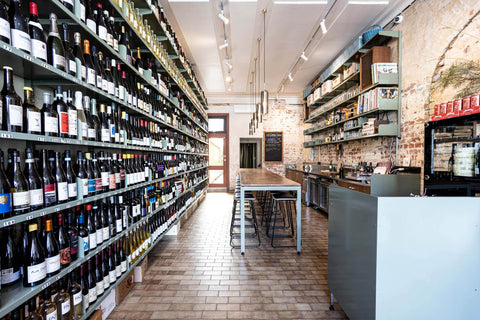
Wine enthusiasts are increasingly drawn to site-driven reds and savoury expressions from smaller producers, wines with character and a sense of place. Our approach at Cardwell Cellars reflects this: we select wines from thoughtful, often sustainable or organic producers who prioritise quality over volume.
You can browse our full red wine collection to see what's in stock now.
Red Wine Varieties We'd Pick for Winter
Shiraz/Syrah: the classic winter warmer
Shiraz is a natural cold-weather pick. It ranges from peppery, savoury cool-climate styles to richer, darker-fruited expressions, and at its best delivers warmth and generosity without losing regional identity.
Our Craiglee Shiraz 2019 is a pick for newcomers and enthusiasts alike.
|
Detail |
Shiraz / Syrah |
|
Flavour Profile |
Blackberry, plum, black pepper, olive, smoked spice, sometimes violet or liquorice |
|
Best With |
Lamb, beef, barbecue, winter casseroles |
|
Why Our Sommelier Picks It |
Comforting texture and strong food affinity across a range of cooking styles |
Cabernet Sauvignon and Cabernet blends: structure for hearty meals
Cabernet offers a more structured, classic option for those who enjoy depth, firm tannin and savoury detail. It's particularly suited to long dinners and richer meat dishes.
Explore our Xiao Pu Domaine de la Gyolthang Cabernet Sauvignon 2022 for more.
|
Detail |
Cabernet Sauvignon / Cabernet Blends |
|
Flavour Profile |
Blackcurrant, plum, cedar, dried herbs, tobacco, fine tannin |
|
Best With |
Roast beef, braises, hard cheeses |
|
Why Our Sommelier Picks It |
Tension, length and structure suit substantial cold-weather cooking |
Sangiovese: the savoury autumn-to-winter all-rounder
Sangiovese is especially useful in autumn, offering warmth and savouriness without the weight of the boldest reds. Its food-first personality makes it a natural partner for tomato-based sauces, herbs and slow-cooked dishes.
Our Vinea Marson Sangiovese 2021 is a go-to here.
|
Detail |
Sangiovese |
|
Flavour Profile |
Red cherry, dried herbs, earth, spice, fine tannin |
|
Best With |
Pasta, ragù, roast vegetables, grilled meats |
|
Why Our Sommelier Picks It |
Lively acidity keeps rich seasonal food in balance |
Nebbiolo: fragrant, firm and made for the table
Nebbiolo rewards drinkers who want complexity over pure power. Its perfume, tannin and savoury layers make it a rewarding choice for anyone looking beyond the obvious winter picks.
Our Brovia Barolo 2018 is a fine example of the style.
|
Detail |
Nebbiolo |
|
Flavour Profile |
Rose, tar, red cherry, orange peel, dried herbs, structured tannin |
|
Best With |
Braised meats, mushroom dishes, truffle, aged cheese |
|
Why Our Sommelier Picks It |
Layered, aromatic and especially rewarding with food |
Pinot Noir: for a lighter but still cosy winter red
Pinot Noir proves that winter reds don't need to be massive. Finesse, silky texture and subtle savoury notes make it a smart match for poultry, mushrooms and duck.
The Johanneshof Reinisch Pinot Noir Holzspur 2019 encompasses these principles well.
|
Detail |
Pinot Noir |
|
Flavour Profile |
Cherry, cranberry, spice, forest floor, subtle savoury notes |
|
Best With |
Roast chicken, duck, mushroom dishes, soft cheeses |
|
Why Our Sommelier Picks It |
Supple, versatile and ideal for gentler cold-weather meals |
Zweigelt: Austria's juicy, spice-driven winter red
Zweigelt is Austria's most widely planted red grape, and it's a brilliant cold-weather option that sits between Pinot Noir's elegance and Shiraz's warmth. The variety delivers ripe dark cherry fruit, soft tannin and a distinctive peppery spice that feels festive for the cold night. It's approachable without being simple, and its natural juiciness makes it a crowd-pleaser at casual winter dinners.
Our Malat Furth Zweigelt 2022 is a lush, versatile offering in our cellars.
|
Detail |
Zweigelt |
|
Flavour Profile |
Dark cherry, plum, white pepper, subtle smoke, soft tannin |
|
Best With |
Pork roasts, sausages, root vegetable gratins, goulash |
|
Why Our Sommelier Picks It |
Generous fruit and gentle spice make it an easy match for comfort-driven winter cooking |
Blaufränkisch: savoury depth with real backbone
Blaufränkisch is the more serious, structured counterpart to Zweigelt within the Austrian red wine family. Where Zweigelt leans into fruit, Blaufränkisch brings darker, more savoury tones alongside firm tannin and a mineral core. It ages well and rewards patience, but younger examples still carry enough dark berry fruit to pair with rich winter meals straight away.
The Lichtenberger González Blaufränkisch Ried Edelgraben 2018 is an earthy, expressive pick from the shelves.
|
Detail |
Blaufränkisch |
|
Flavour Profile |
Blackberry, dark plum, iron, dried herbs, black pepper, firm tannin |
|
Best With |
Venison, beef stew, roast duck, smoked meats |
|
Why Our Sommelier Picks It |
Savoury intensity and mineral structure give it real presence alongside the heartiest winter dishes |
Food Pairings That Work Best with Winter Reds
Pairing seasonal food with the right red makes both taste better. Here's how our sommelier matches key winter dishes. For something to eat alongside your glass in store, check out our food menu.
|
Dish |
Recommended Variety |
Why It Works |
|
Slow-cooked lamb shanks, roast shoulder |
Syrah / Shiraz |
Pepper, dark fruit and savoury notes match slow-cooked meat, rosemary and garlic |
|
Beef bourguignon, braised short ribs |
Cabernet Sauvignon or blends |
Firm structure and herbal notes cut through richness and complement reduced sauces |
|
Mushroom risotto, truffle pasta |
Pinot Noir or Nebbiolo |
Earthy, savoury tones echo mushroom flavours; acidity keeps things lively |
|
Ragù, baked pasta, lasagne |
Sangiovese |
Bright acidity handles tomato beautifully; cherry fruit and herbs support slow-cooked sauces |
|
Charcuterie, aged cheddar, hard cheeses |
Grenache blends or lighter Syrah |
Enough fruit and spice to feel generous, enough freshness to keep the palate moving |



Comments (0)
There are no comments for this article. Be the first one to leave a message!